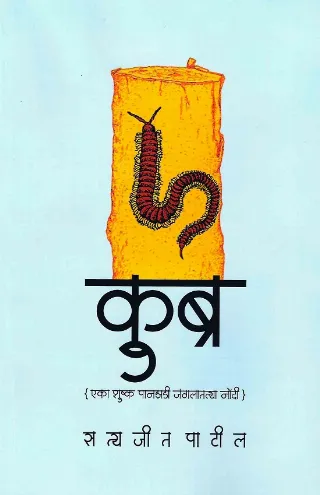
सत्यजित पाटील यांच्या ‘कुब्र’ या पुस्तकातून जंगल, ग्रामीण जीवन, सामाजिक बदल, गरिबी, विस्थापन आणि माणूस–निसर्ग नात्याचा शोध घेत समाजपूर्व निरागसतेकडे पाहण्याचा संवेदनशील प्रयत्न दिसून येतो.
In this literary review, Shrikant Deshmukh examines how “Kubra” combines observation, lived experience and social reflection to portray forest communities, rural realities and the impact of modern development on human relationships and traditional ways of life.
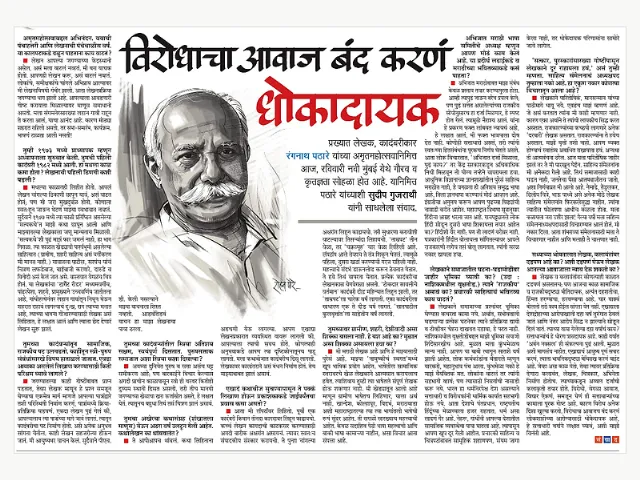
‘कुब्र : समाजपूर्व निरागसतेचा शोध’ या लेखातून समीक्षक श्रीकांत देशमुख यांनी लेखक सत्यजित पाटील यांच्या कुब्र या पुस्तकाचा सखोल वेध घेतला आहे. हे पुस्तक केवळ निसर्ग किंवा जंगलाचे वर्णन न करता त्या परिसरात जगणाऱ्या माणसांचे जीवन, त्यांचे अनुभव आणि बदलत्या सामाजिक वास्तवाशी असलेले नाते उलगडते.
पुस्तकात जंगल, गाव, परंपरागत जीवनपद्धती, दारिद्र्य, श्रम, विस्थापन, शिक्षण, सामाजिक विषमता आणि बदलत्या विकासप्रक्रियेचे परिणाम अशा अनेक स्तरांवर चिंतन केलेले दिसते. लेखक प्रत्यक्ष अनुभव आणि सूक्ष्म निरीक्षणांच्या आधारे ग्रामीण आणि वनजीवनातील वास्तव वाचकांसमोर आणतात.
आधुनिक विकासामुळे माणसाच्या जीवनात निर्माण झालेल्या बदलांचा विचार करताना निसर्गाशी असलेले मूळ नाते, साधेपणा आणि मानवी निरागसता यांचाही शोध पुस्तक घेते. विकासाच्या प्रक्रियेत काही गोष्टी मिळतात, तर काही मूलभूत मानवी आणि सामाजिक मूल्ये मागे पडतात, हा प्रश्न लेखाच्या केंद्रस्थानी जाणवतो.
लेखनातील अनुभवसंपन्नता आणि वास्तवाशी असलेली जवळीक यामुळे कुब्र हे पुस्तक सामाजिक निरीक्षण, निसर्गलेखन आणि आत्मीय अनुभव यांचा संगम ठरते. श्रीकांत देशमुख यांच्या परीक्षणातून पुस्तकाची साहित्यिक संवेदनशीलता, सामाजिक आशय आणि विचारप्रवर्तक स्वरूप प्रभावीपणे समोर येते.
“Kubra: In Search of Pre-Social Innocence” is a literary review by Shrikant Deshmukh of Satyajit Patil’s Kubra. The book moves beyond conventional nature writing to examine the lives of people connected with forests and rural landscapes.
Through observations and lived experiences, the narrative explores poverty, labour, migration, education, social inequality and changing village life. These individual experiences gradually form a broader commentary on society and the transformations brought about by modern development.
A central concern of the book is the changing relationship between humans, nature and traditional ways of living. While development introduces new opportunities, it can also distance communities from older forms of social connection, simplicity and ecological balance.
The review highlights Patil’s ability to combine personal observation with social reflection. Rather than presenting the forest merely as a backdrop, Kubra treats it as a living environment in which human life, culture and nature constantly influence one another.
As a result, the book emerges as a thoughtful combination of nature writing, social documentation and reflective Marathi prose, encouraging readers to reconsider ideas of progress, community and the meaning of a more natural, innocent way of life.