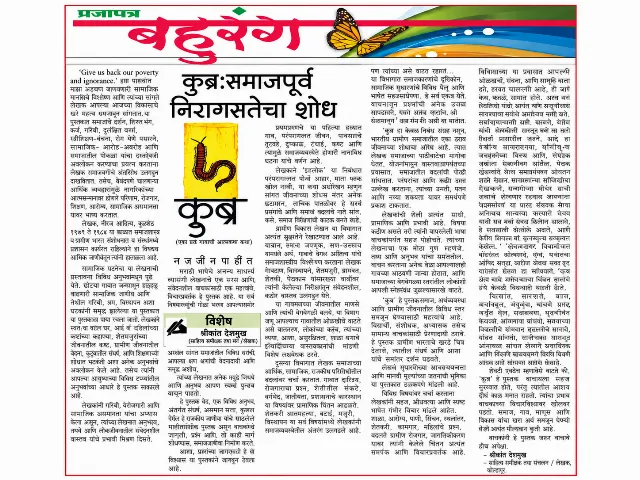
विरोधाचा आवाज बंद करणं धोकेदायकSilencing the Voice of Dissent is Dangerous – Ranganath Pathare
१२ एप्रिल २०२६12 April 2026
newspaper
प्रसिद्धीPublished inमहाराष्ट्र टाइम्सMaharashtra Times
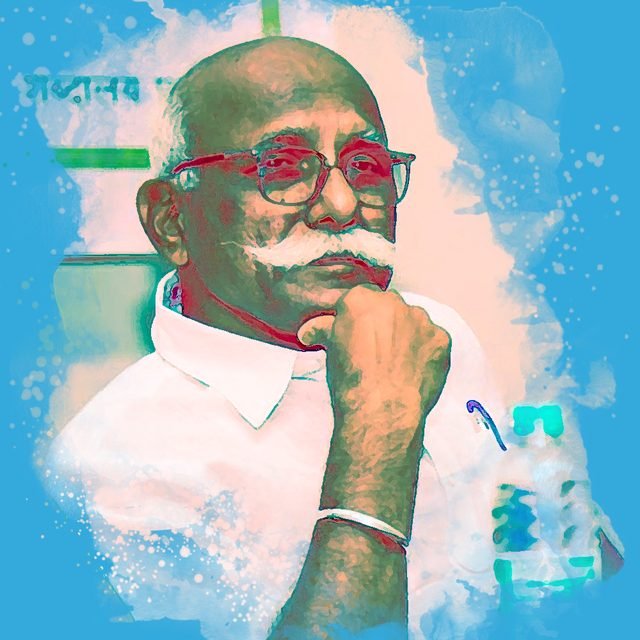
ज्येष्ठ साहित्यिक रंगनाथ पठारे यांच्या लेखनप्रवासातून मराठी कादंबरी, लेखकाचे स्वातंत्र्य, भाषेचे भवितव्य आणि समाजातील साहित्याची भूमिका यांचा व्यापक वेध घेणारा हा संवाद मराठी वाचकांसाठी विचारप्रवर्तक ठरतो.
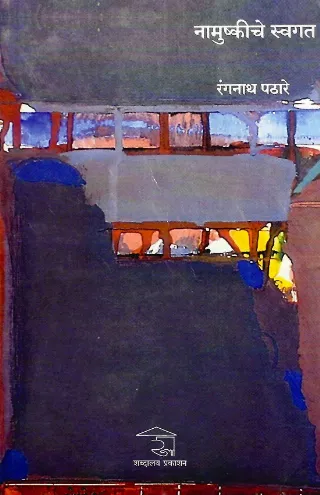
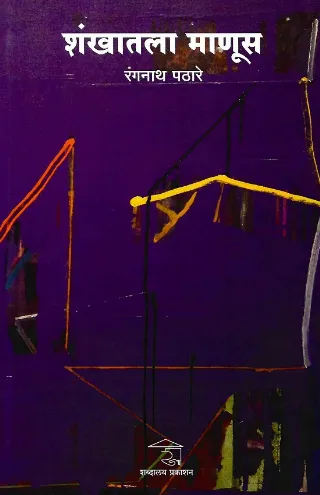
A thoughtful conversation with veteran Marathi novelist Ranganath Pathare on literature, language, creative freedom and the writer’s role in society—an important read for followers of Shabdalaya’s Marathi books and literary culture.
‘विरोधाचा आवाज बंद करणं धोकेदायक’ या विशेष संवादातून ज्येष्ठ लेखक आणि कादंबरीकार रंगनाथ पठारे यांच्या दीर्घ साहित्यिक प्रवासाचा वेध घेण्यात आला आहे. त्यांच्या पंचाहत्तरीनिमित्त नवी मुंबईत आयोजित गौरव व कृतज्ञता सोहळ्याच्या पार्श्वभूमीवर हा संवाद प्रसिद्ध झाला.
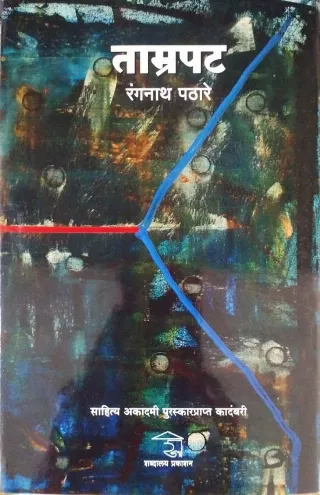
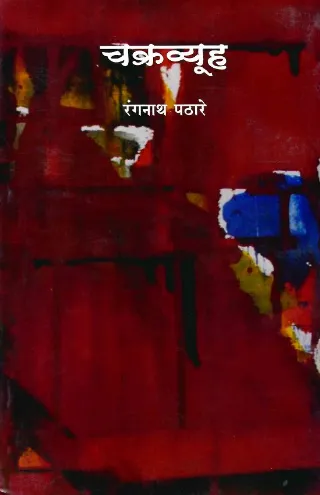
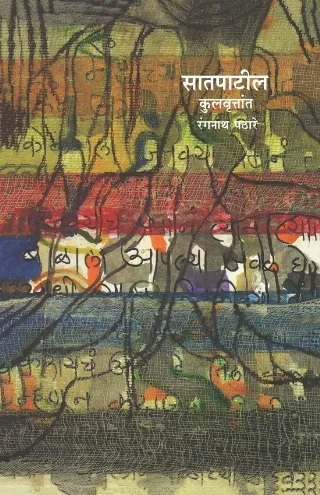
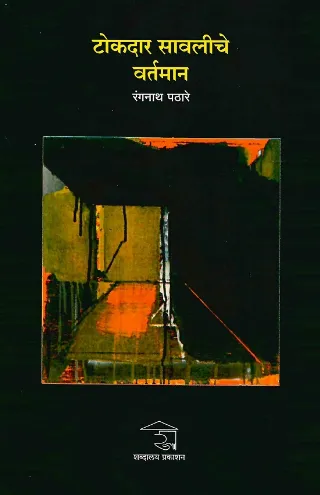
पठारे सांगतात की सुरुवातीला लेखक होण्याचा ठरवून विचार नव्हता. वाचनाची आवड, लेखनाला मिळालेला प्रतिसाद आणि सत्यकथामध्ये प्रकाशित झालेल्या सुरुवातीच्या लेखनामुळे ते साहित्याकडे अधिक गंभीरपणे वळले. पुढे कादंबरी त्यांच्या लेखनाचा प्रमुख प्रकार बनली. ताम्रपट, चक्रव्यूह, टोकदार सावलीचे वर्तमान आणि सातपाटील कुलवृत्तांत यांसारख्या कादंबऱ्यांच्या निर्मितीमागील प्रदीर्घ पुनर्लेखन आणि अभ्यासाची प्रक्रियाही त्यांनी स्पष्ट केली.
स्वतःला ग्रामीण, शहरी किंवा देशीवादी अशा एका चौकटीत बसवण्याऐवजी “मी मराठी लेखक आहे” ही ओळख त्यांच्यासाठी महत्त्वाची असल्याचे ते सांगतात. महाराष्ट्रातील खान्देश, विदर्भ, मराठवाडा, कोल्हापूर अशा विविध प्रदेशांतील भाषिक रूपांना समान महत्त्व देण्याची गरजही ते व्यक्त करतात. मराठीला अभिजात भाषेचा दर्जा मिळाल्यानंतर तिचे ज्ञानभाषेत रूपांतर करणे हे पुढील मोठे आव्हान असल्याचेही त्यांच्या संवादातून समोर येते.
लेखकाने प्रत्येक घटनेवर तातडीने प्रतिक्रिया देणे आवश्यक नसले, तरी महत्त्वाच्या सामाजिक प्रश्नांवर भूमिका घेण्यास कचरू नये, असे पठारे यांचे मत आहे. पर्यावरणाची हानी, राजकारणातील धर्माचा वापर, भाषाविषयक धोरणे आणि सार्वजनिक जीवनातील बदलांवरही त्यांनी स्पष्ट मत व्यक्त केले.
पुरस्कार, मानसन्मान आणि साहित्य संमेलनांच्या प्रतिष्ठेपेक्षा लेखकाचे स्वतंत्र विचारस्वातंत्र्य त्यांना अधिक महत्त्वाचे वाटते. लेखक किंवा कलावंताने राजकीय किंवा सामाजिक दबावामुळे स्वतःचा आवाज बदलू नये, असे ते सांगतात.
संवादाचा सर्वात महत्त्वाचा मुद्दा म्हणजे मतभिन्नतेचे स्वातंत्र्य. पठारे यांच्या मते, विरोधी विचार ऐकणे आणि समजून घेणे सत्ताधाऱ्यांसाठीही उपयुक्त ठरते, कारण मतभेद नवे पर्याय आणि दिशा उघडतात. त्यामुळे विरोधी आवाज पूर्णपणे दाबणे लोकशाहीच्या आरोग्यासाठी धोकादायक ठरू शकते, अशी त्यांनी भूमिका मांडली.
In “Silencing the Voice of Dissent is Dangerous,” veteran novelist and critic Ranganath Pathare reflects on his literary journey on the occasion of his 75th year. The interview was published by Maharashtra Times on 12 April 2026 and was transcribed by Sudip Gujarathi.
Pathare recalls that writing was not initially intended to become the centre of his life. Encouragement from readers and critics gradually made him take his work more seriously. Over time, the novel became his principal form of expression.
He discusses the demanding process behind books such as Tamrapat, Chakravyuh, Tokdar Savaliche Vartaman and Satpatil Kulvruttant. Earlier, manuscripts were rewritten several times by hand; digital writing later changed that process considerably.
Pathare also rejects narrow labels such as rural, urban or regional writer, preferring simply to identify himself as a Marathi writer. He stresses the richness of Maharashtra's different regional forms of Marathi and argues that the language's next challenge is to become stronger as a language of modern knowledge and science.
On the writer's public role, he says authors need not comment on every event, but should not hesitate to take a position on important social questions. The interview also touches on environmental destruction, language policy, religion in public life, literary awards and the culture surrounding literary conferences.
A central theme is creative and intellectual freedom. Pathare argues that writers and artists should be able to preserve their independent voice rather than shape their expression around political or institutional approval.
He concludes that democratic society benefits from hearing opposing views. According to Pathare, dissent can reveal alternative directions and possibilities; suppressing it entirely can therefore damage the health of democracy.